
Keto Diet Basics: Everything You Need to Know to Get Started
Did you know nearly 1 in 3 Americans follow a low carb diet? The ketogenic diet is at the forefront of this trend. It focuses on high-fat, low-carb foods. If you want to lose weight or improve your health, learning about the keto diet is key.

This guide will cover the basics. You'll learn how to start keto, the science behind keto sis, and how to create a keto meal plan that suits you. It's all about making it fit your lifestyle.
Key Takeaways:
- The keto diet involves a high-fat, low-carb eating pattern.
- Understanding ketosis is key to achieving the benefits of the ketogenic diet.
- Creating a structured keto meal plan can facilitate your journey.
- Daily carb limitations are crucial for maintaining ketosis.
- The keto diet may offer benefits beyond just weight loss, impacting overall health.
What is the Keto Diet?
The ketogenic diet, or keto diet, cuts down on carbs and boosts fat intake. It helps your body use fats as its main energy source. This change leads to a state called keto-sis.
Understanding Keto-sis and Its Benefits
Keto sis happens when your body can't get enough carbs. It starts breaking down fat for energy, making ketones in the process. The benefits of keto-sis include:
- Efficient weight loss due to enhanced fat burning
- Improved appetite control, which can help with dietary adherence
- Increased mental clarity and focus, as ketones serve as an alternative energy source for the brain
Historical Background of the Keto Diet
The keto diet started in the 1920s as a treatment for epilepsy. Doctors found it greatly reduced seizures in patients. Over time, it became known for weight loss and health benefits. Now, many people follow the keto diet for its effective weight loss and health advantages.
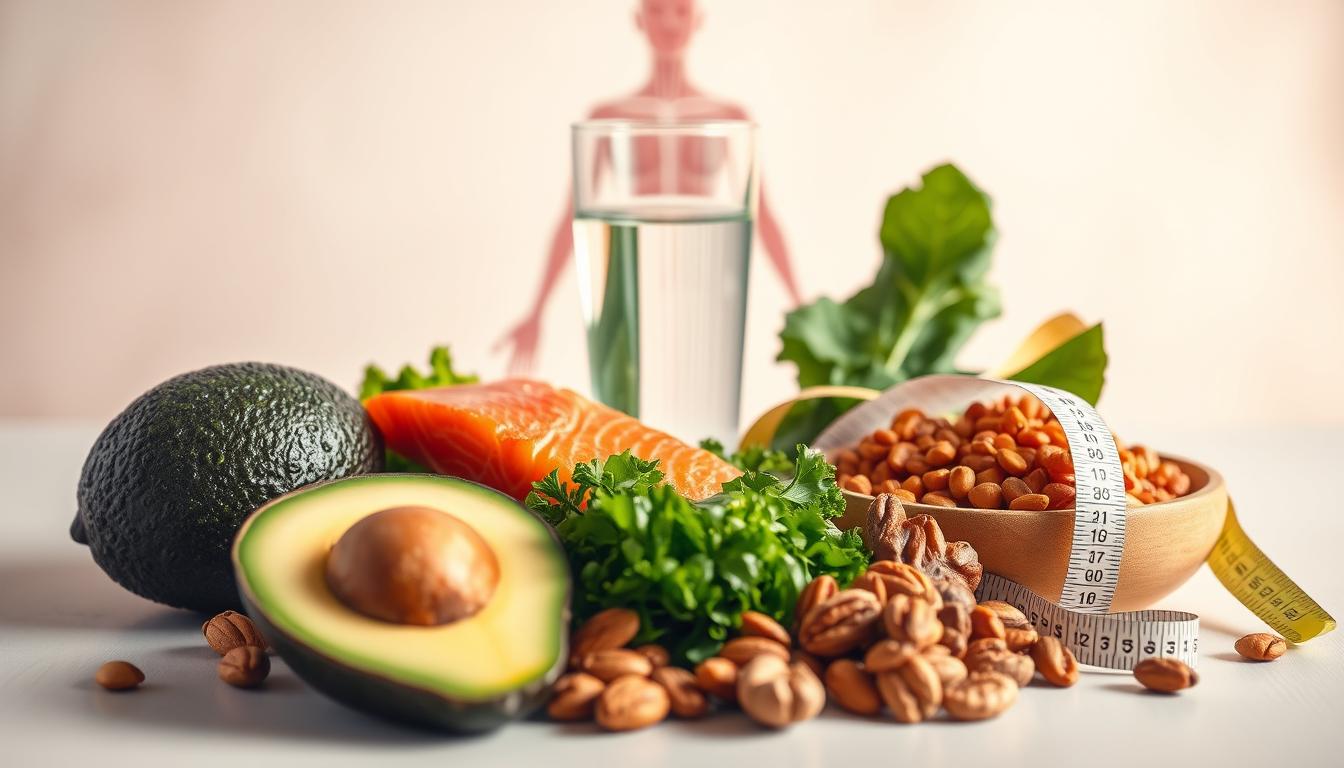
How the Keto Diet WorksUnderstanding the keto diet is key for those thinking about trying it. It focuses on high fat and low carbs. This helps your body use fat for energy instead of sugar. Knowing what to eat is crucial for this metabolic change.
Macronutrient Breakdown: What to EatThe keto diet has a specific mix of nutrients. It's about 70% fat, 20% protein, and 10% carbs. This means you eat only 20 to 50 grams of carbs a day. This strict diet makes your body use fat for energy, not sugar.
The Role of Ketones in Energy ProductionWhen you start burning fat, your liver makes ketones. These are important for your brain and muscles. Knowing about ketones helps you understand the diet's benefits, like more energy and mental clarity. Ketones give you energy that lasts longer than sugar.
Keto Diet Basics: Rules and Guidelines
To follow the ketogenic lifestyle, you need to know the keto rules and guidelines. Daily carb limits are key to entering and staying in ketosis. Learning about the different keto diets helps you pick the right one for you.
Daily Carb Limitations
Following the ketogenic diet means keeping carb intake low. Aim for 20-50 grams of net carbs daily. Be careful of foods high in carbs like grains, sugars, and starchy veggies. Instead, choose foods high in fat and low in carbs.
Types of Ketogenic Diets
There are many keto diets to fit different lifestyles and needs. Knowing about these types helps you find the best fit for you. Here's a quick look at some popular ones:
Health Benefits of the Keto Diet
The keto diet is known for its many health benefits. It helps with weight loss, reducing body weight and fat. It also improves metabolic health and offers cardiovascular benefits, boosting overall well-being.
Weight Loss and Metabolic Health
The keto diet does more than just help with weight loss. It improves metabolic health, lowering triglycerides and raising HDL cholesterol. People feel fuller, making it easier to stay in a calorie deficit. This leads to better weight management.
Potential Benefits for Specific Health Conditions
The keto diet is specially beneficial for certain health issues. It helps manage blood sugar levels, improving insulin sensitivity. It also shows promise for neurological disorders like epilepsy and Alzheimer’s. Those on the diet may see fewer seizures and better brain function.
Conclusion
The ketogenic diet is a great way to lose weight and improve your health. It's all about learning the basics. This diet is high in fat and low in carbs, with many ways to customize it.
Before starting keto, think about your health and talk to a doctor or nutritionist. They can give you advice that fits your health needs. This way, you can avoid problems and get the most benefits from keto.
Remember, keto is more than a quick fix. It's a long-term way of eating. Enjoy the tasty foods keto offers and learn how it works for your health.
FAQ
What foods should I avoid on the keto diet?
Avoid foods high in carbs like grains, sugars, and starchy veggies. Also, many fruits are off-limits. Instead, eat high-fat, low-carb foods like avocados, nuts, seeds, and low-carb veggies.
Can I have dairy on the keto diet?
Yes, many dairy products fit the keto diet because they're low in carbs and high in fat. Good choices include high-fat cheeses, heavy cream, and full-fat yogurt. Just watch the carb content in some dairy items.
How quickly can I enter ketosis?
The time to enter ketosis varies. It depends on your diet, activity level, and metabolism. It can take a few days to a week on a strict low-carb, high-fat diet.
Are there risks associated with the keto diet?
The keto diet has benefits but also risks. You might face nutrient deficiencies, digestive issues, or the "keto flu." Always talk to a healthcare provider before starting.
Is it necessary to track my macro nutrients on the keto diet?
Tracking macro nutrients is optional but helpful. It ensures you're in the right fat, protein, and carb ratios for keto-sis.
Can you eat snacks on the keto diet?
Yes, you can have snacks on the keto diet. Choose low-carb options like cheese, nuts, and keto-friendly bars. Always check portion sizes to stay within your daily limits.
What is the difference between the Standard Ketogenic Diet and Cyclical Ketogenic Diet?
The Standard Ketogenic Diet (SKD) is a strict high-fat, low-carb diet. The Cyclical Ketogenic Diet (CKD) includes periods of higher carb intake. CKD has five days of strict keto followed by two days of higher carbs.
Can the keto diet help with weight loss?
Yes, many studies show the keto diet aids in weight loss. It boosts fat burning and reduces hunger, often better than low-fat diets.
Should I consult a doctor before starting the keto diet
Definitely consult a healthcare provider or nutrition expert before starting the keto diet. This is specially true if you have health conditions or concerns.
What are some keto-friendly recipes I can try?
There are many keto-friendly recipes out there. Try zucchini noodles with pesto, cauliflower rice stir-fry,and keto cheeseburgers. These dishes are low in carbs but delicious.